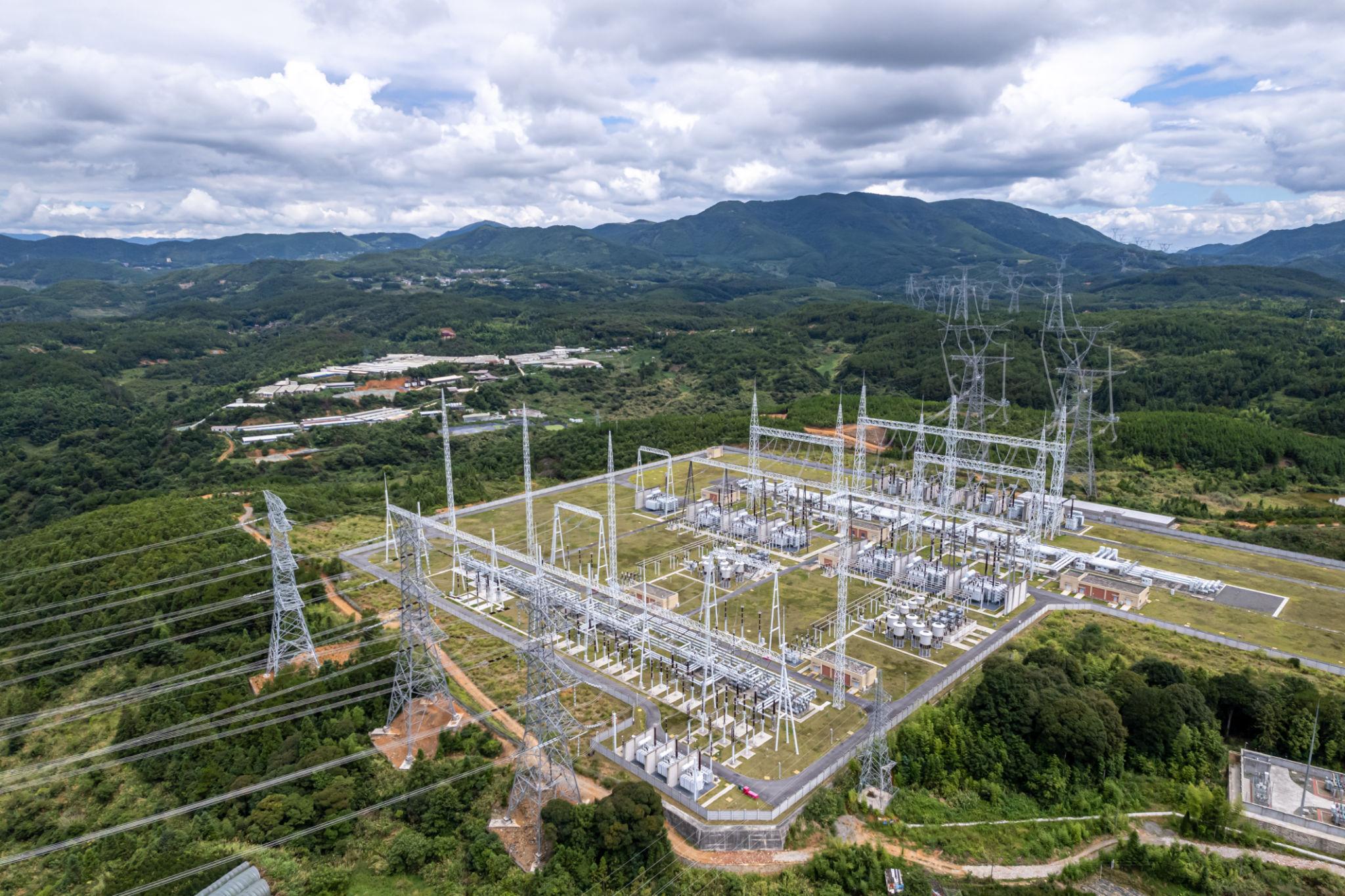
Digitalization improves asset portfolio optimization for utilities by replacing fragmented, retrospective decision-making with continuous, data-driven insight across the full asset lifecycle. Instead of relying on periodic inspections and static spreadsheets, utilities gain a live, integrated view of asset health, performance, and investment priority. The sections below unpack the specific decisions, tools, and challenges involved.
What specific asset decisions does digitalization improve for utilities?
Digitalization improves three categories of asset decisions most directly: when to invest or replace, how to prioritize maintenance, and where to accept or reduce risk. These are the decisions that define an effective asset investment strategy, and they are all significantly sharpened when driven by real-time data and predictive analytics rather than fixed schedules and historical averages.
In practical terms, this means utilities can move away from time-based maintenance cycles toward condition-based interventions. An asset that is performing well in year ten does not need replacing on the same schedule as one showing early degradation signals. Digitalization surfaces that distinction clearly, and it changes the economics of the entire portfolio.
Capital allocation decisions also improve. When asset condition data, remaining useful life estimates, and risk scores are integrated into a single view, investment committees can rank competing projects against a common set of criteria. That is a fundamentally different conversation than one driven by departmental lobbying or outdated engineering assumptions.
How does real-time data change the way utilities manage asset portfolios?
Real-time data shifts asset portfolio management from reactive to predictive. Rather than discovering a problem after a failure or during a scheduled inspection, utilities can detect performance degradation as it develops, assess its severity in context, and plan an intervention before it becomes a service disruption or a safety event.
The operational impact is significant. Unplanned outages are among the most expensive events in any utility’s cost structure. When sensor data, SCADA systems, and asset management platforms are properly integrated, the window between early warning and actual failure becomes a planning opportunity rather than a crisis.
Real-time data also changes how utilities think about risk across the portfolio. Instead of assigning risk scores during annual reviews, portfolio managers can maintain a continuously updated picture of which assets are trending toward criticality. That means capital and maintenance resources can be redirected dynamically, not just at budget cycles.
What’s the difference between digitalization and traditional asset portfolio management?
Traditional asset portfolio management relies on periodic data collection, manual reporting, and largely static models. Decisions are made based on historical performance records, engineering judgment, and fixed inspection intervals. Digitalization replaces this cycle with continuous data flows, integrated platforms, and analytical models that update in near real-time.
The structural difference is not just about speed. Traditional approaches tend to treat assets in isolation, assessed one at a time against their own history. Digital approaches treat the portfolio as an interconnected system, where the condition of one asset affects the risk profile of others and where trade-offs can be modeled across the full network simultaneously.
There is also a significant difference in transparency and auditability. Digital asset management platforms create documented decision trails, which matter increasingly for regulators, investors, and internal governance processes. Traditional methods often leave decisions undocumented or locked in individual expertise that does not survive organizational change.
Which digital tools are most effective for utility asset portfolio optimization?
The most effective digital tools for asset portfolio optimization are those that connect data collection, condition assessment, and investment decision-making in a single analytical workflow. No single tool does everything well, but the combination of asset management platforms, predictive analytics engines, and digital twin technology currently delivers the strongest results for utilities.
- Enterprise Asset Management (EAM) platforms: Provide the foundational data layer, capturing asset registers, maintenance histories, and work order records. Without a clean, complete EAM, more advanced analytics have nothing reliable to work with.
- Predictive analytics and AI modeling: Applied to sensor data and maintenance records, these tools identify failure patterns and generate remaining useful life estimates at scale, across thousands of assets simultaneously.
- Digital twins: Virtual replicas of physical assets or networks that allow utilities to simulate operational scenarios, test investment decisions, and model risk without touching the physical infrastructure.
- Investment planning tools: Dedicated platforms that translate asset condition data and risk assessments into optimized capital expenditure plans, helping utilities defend their investment programs to regulators and boards.
The value of any individual tool depends heavily on data quality and integration. A sophisticated AI model fed with incomplete or inconsistent data will produce unreliable outputs. Tool selection should always follow a clear-eyed assessment of data maturity.
How does digitalization support the energy transition within asset portfolios?
Digitalization supports the energy transition by giving utilities the analytical capability to manage increasingly complex and heterogeneous asset portfolios. The shift toward renewable generation, distributed energy resources, and flexible grid infrastructure introduces asset types with very different performance characteristics, risk profiles, and maintenance requirements than traditional centralized infrastructure.
Managing a portfolio that includes aging thermal assets alongside new wind, solar, and battery storage components requires a level of analytical sophistication that traditional methods cannot provide. Digital platforms enable utilities to model the interactions between these asset classes, assess their combined contribution to reliability and sustainability targets, and plan investment sequences that support the transition without destabilizing current operations. Effective strategic asset management is what ties these moving parts together into a coherent, forward-looking investment program.
There is also a workforce dimension. As experienced engineers retire and institutional knowledge leaves organizations, digital tools that capture decision logic and asset history become critical to maintaining continuity. The energy transition is not just a technical challenge; it is an organizational one, and digitalization helps bridge that gap.
What challenges do utilities face when digitalizing asset portfolio management?
The most common challenges utilities face when digitalizing asset portfolio management are data quality, organizational resistance, and integration complexity. These are not technology problems at their core. They are governance, culture, and process problems that technology can expose but cannot solve on its own.
- Data quality and completeness: Many utilities carry decades of inconsistently recorded asset data across multiple legacy systems. Before advanced analytics can be applied meaningfully, that data needs to be cleansed, standardized, and validated. This is time-consuming work that is easy to underestimate.
- System integration: Utilities typically operate a complex landscape of OT and IT systems that were not designed to communicate with each other. Connecting SCADA, EAM, GIS, and financial planning systems into a coherent data architecture requires careful design and sustained effort.
- Organizational change: Digitalization changes how decisions are made and who makes them. Engineers and asset managers accustomed to working from experience and judgment need to develop confidence in data-driven recommendations. That transition requires investment in training, communication, and change management.
- Sustaining momentum: Many digitalization programs start well and stall. Maintaining leadership commitment and clear accountability beyond the initial implementation phase is one of the most underappreciated challenges in the sector.
None of these challenges are insurmountable, but they are consistently underestimated. Utilities that approach digitalization as a technology procurement exercise rather than a business transformation program tend to achieve far less than those who treat it as a change in how the organization thinks and operates.
How OHROS supports asset portfolio optimization through digitalization
We work with utilities and asset-intensive energy organizations at exactly the intersection of strategy, data, and operational decision-making that digitalization demands. Our approach to asset portfolio optimization is grounded in nearly two decades of global benchmarking experience, which means we bring both the methodological rigor and the sector-specific context that generic consulting cannot replicate. Learn more about who we are and the experience we bring to every engagement.
In practice, our support typically spans:
- Assessing current asset management maturity and identifying the highest-value gaps in data, process, and tooling
- Designing and implementing investment planning frameworks that translate asset condition and risk data into defensible capital programs
- Integrating AI modeling and predictive analytics into existing asset management workflows without displacing the engineering judgment that experienced teams have built
- Supporting the organizational change that digitalization requires, including capability building, governance design, and leadership alignment
- Benchmarking performance against global peers to establish clear improvement targets and track progress over time
If your organization is navigating the shift toward a more data-driven asset investment strategy, we would welcome the conversation. Get in touch with our team to discuss where your portfolio stands and where it could go.